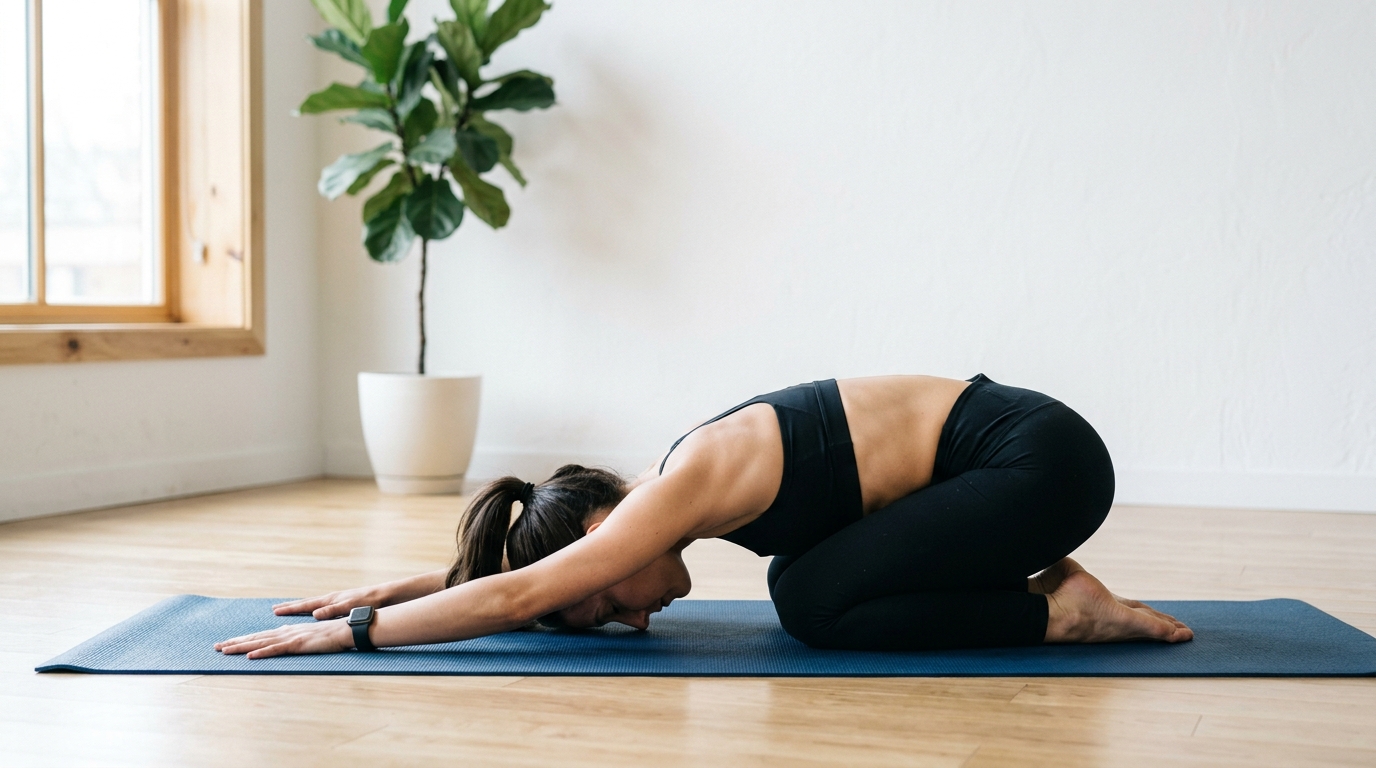
Sacroiliac (SI) Joint Dysfunction
The sacroiliac joint connects the sacrum to the iliac bones of the pelvis. Hypermobility, hypomobility, or pelvic torsion causes localized pain near the "dimples" of the lower back, often referring into the groin and buttock.
Common Symptoms
- One-sided lower back pain right over the PSIS dimple above the buttock
- Pain aggravated by single-leg tasks (climbing stairs, putting on pants, getting out of car)
- Stiffness or ache radiating into the groin or upper lateral thigh on the affected side
- Difficulty sitting comfortably without shifting weight to the unaffected side
Movements to Avoid
- ✗ Asymmetrical deep lunges or aggressive single-leg stretches
- ✗ Forced rotational twists with feet locked in place
Rebuilding symmetrical isometric activation of the gluteus medius, transverse abdominis, and hip adductors creates a muscular "force closure" that locks and stabilizes the SI joint.
Prescribed Exercise Protocol
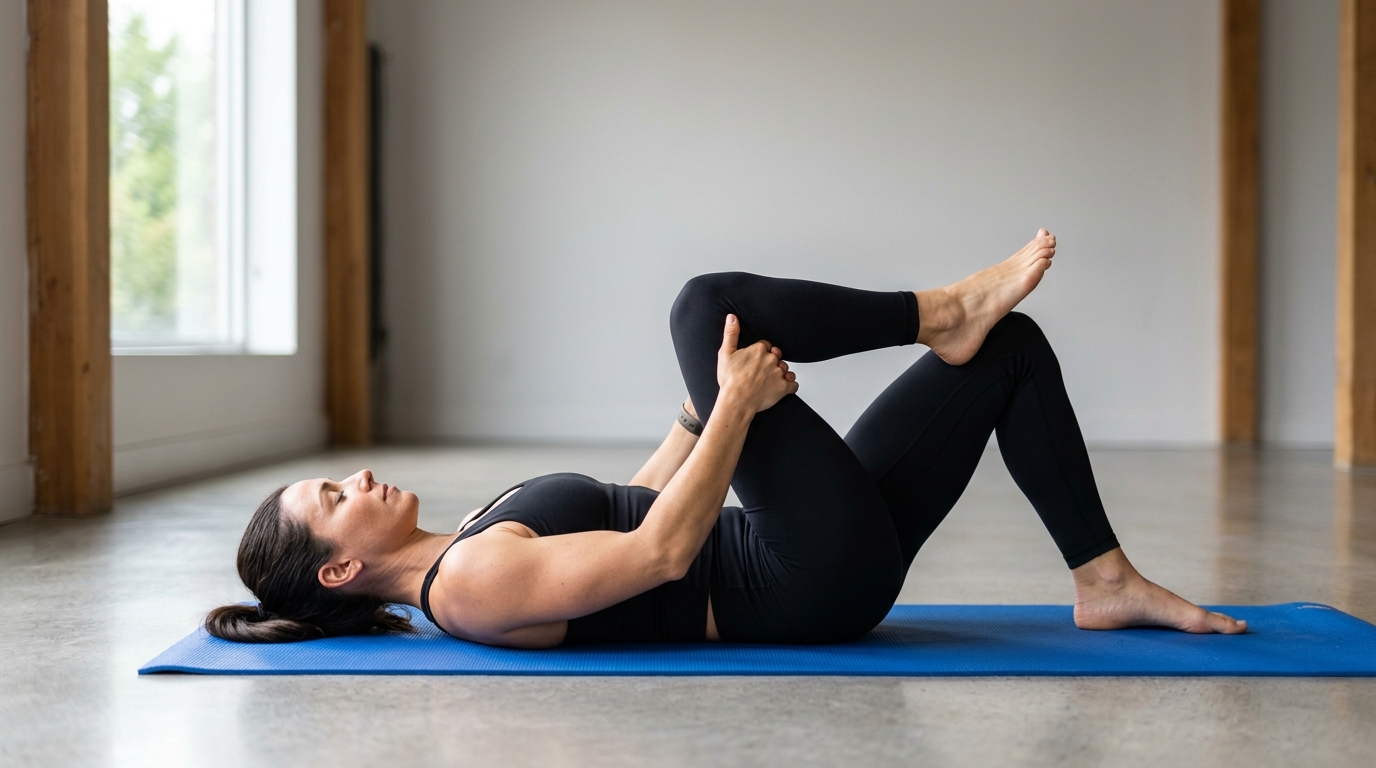
Reclined Figure-4 Piriformis Stretch
Releases the deep piriformis muscle to relieve sciatic nerve impingement and glute ache.
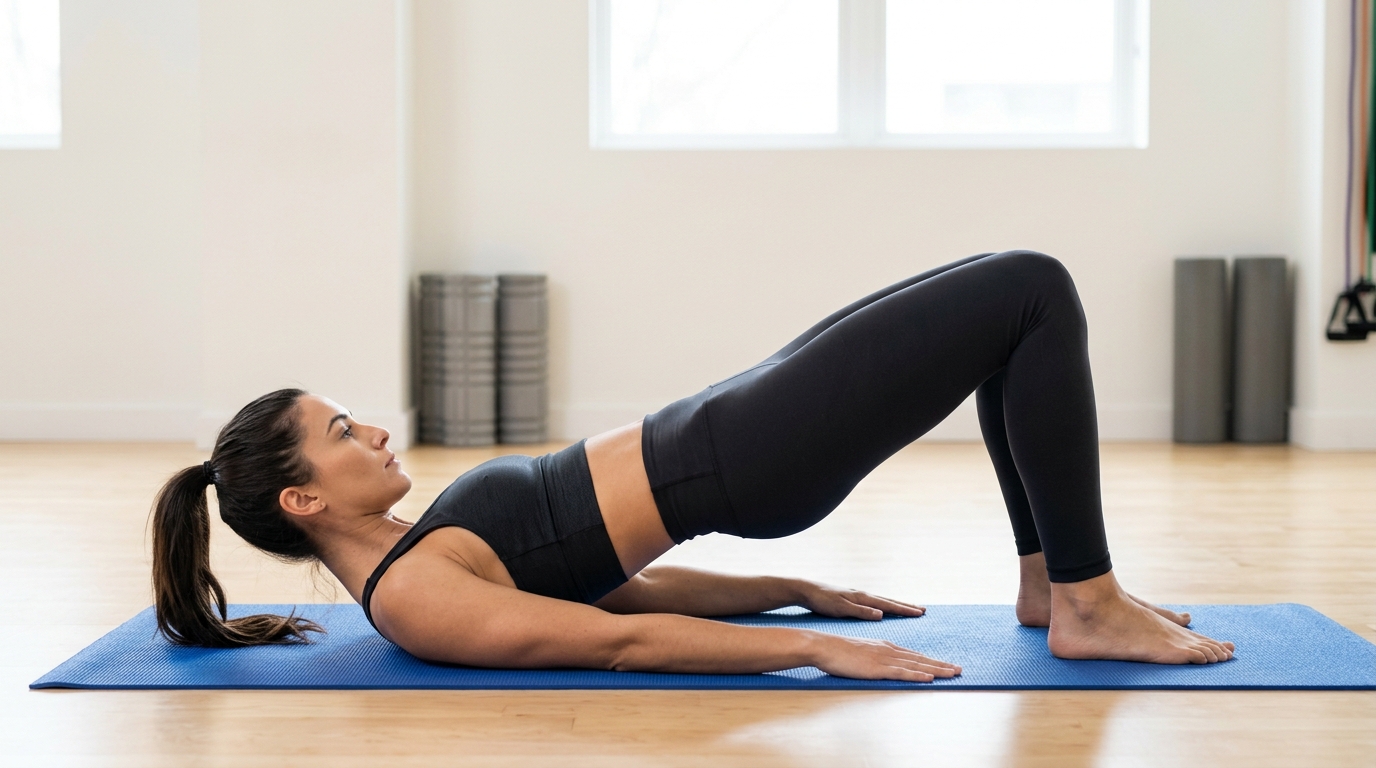
Glute Bridge Pelvic Stabilization
Activates inhibited gluteals and posterior chain to remove excessive load from lumbar extensors.
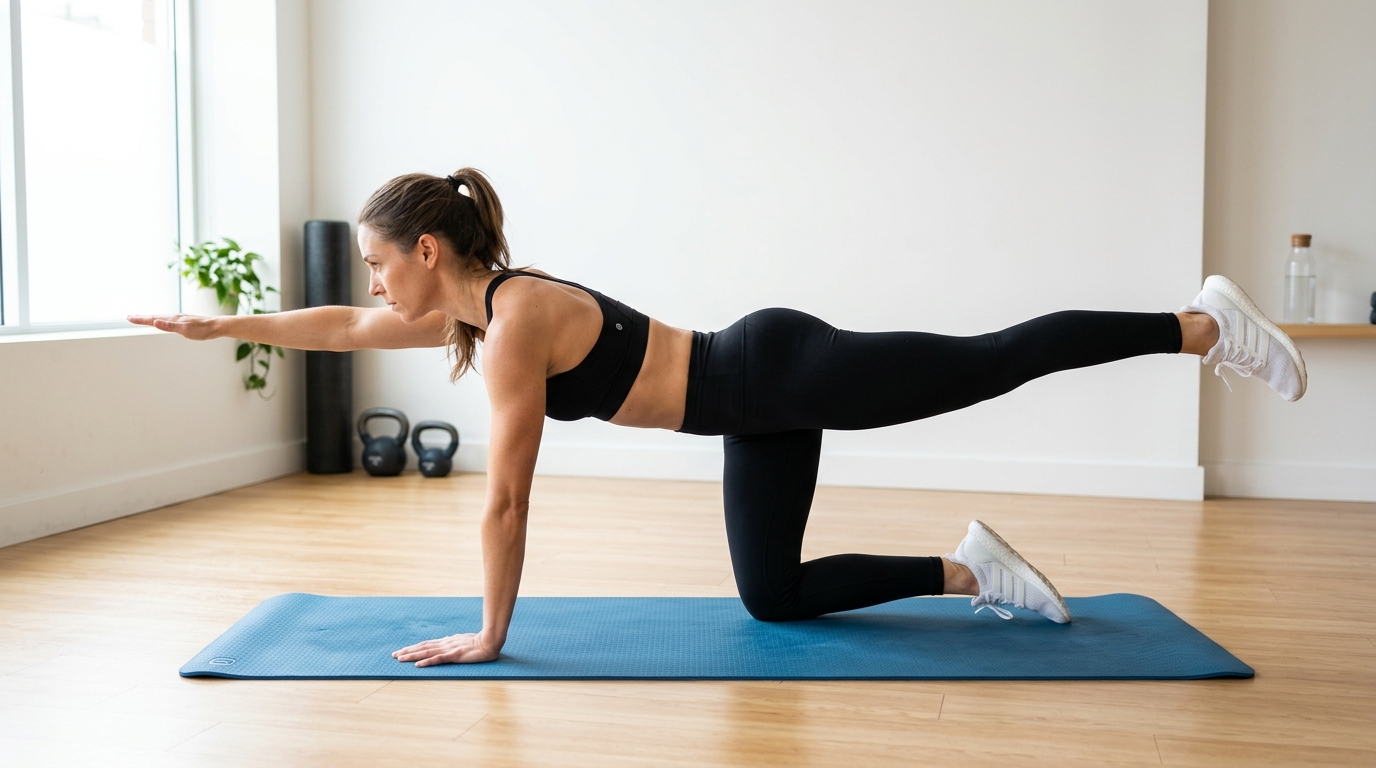
Bird-Dog McGill Stabilization
One of the "McGill Big 3" exercises that strengthens the lumbar stabilizers with minimal spinal load.
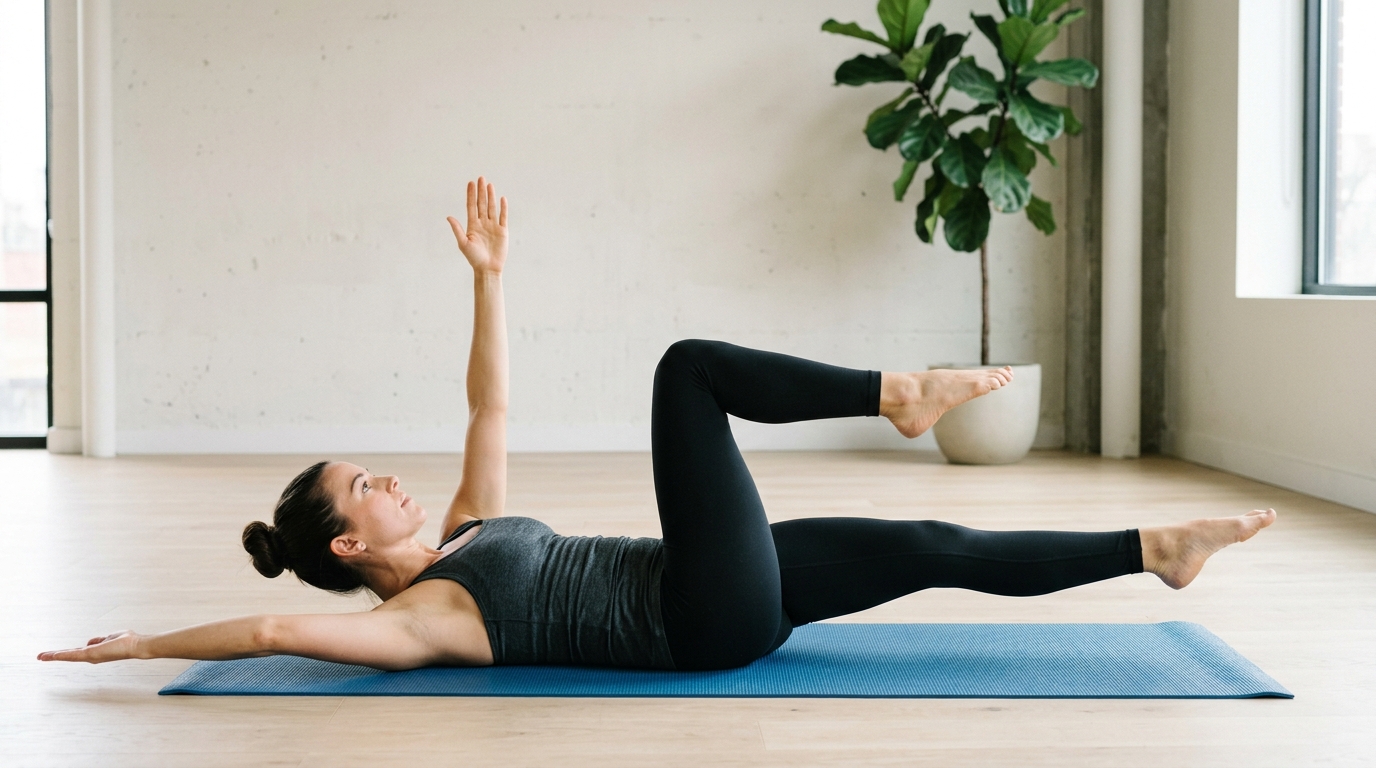
Deadbug Anti-Extension Core Rehab
Re-trains the deep transverse abdominis to protect the lumbar spine during extremity movement.
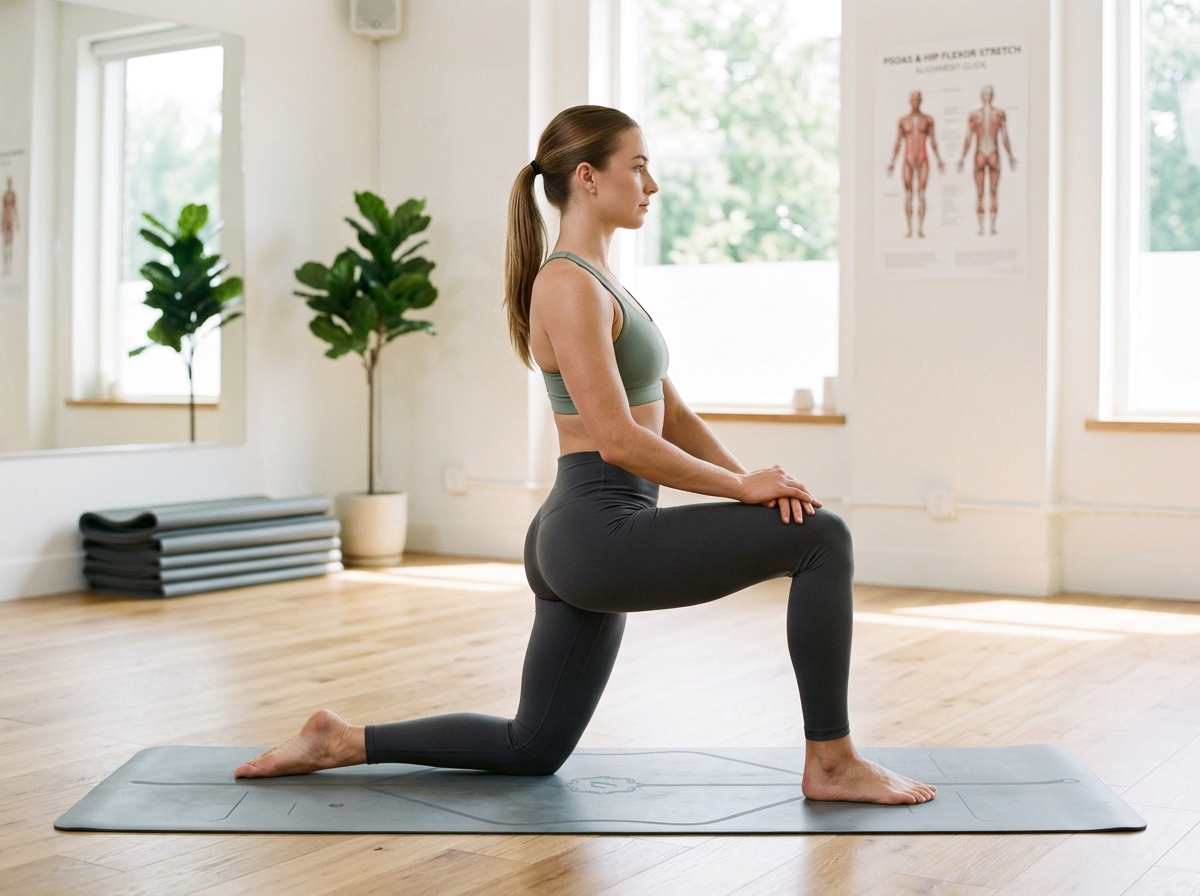
Half-Kneeling Psoas & Hip Flexor Stretch
Decompresses the lumbar spine by releasing chronically shortened iliopsoas muscles caused by prolonged sitting.

Side-Lying Clamshell Pelvic Stabilizer
Isolates the gluteus medius to stabilize the sacroiliac joint and prevent pelvic drop during walking.
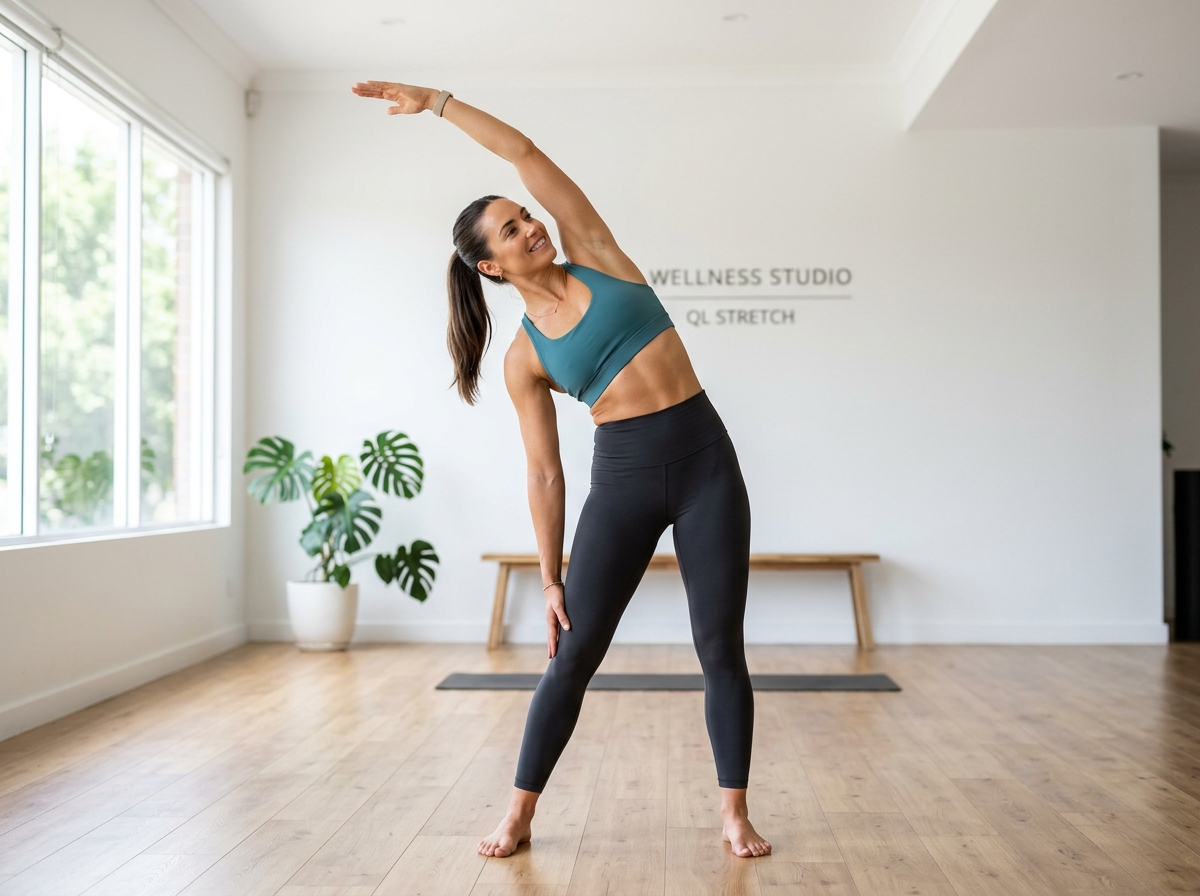
Standing Lateral Spine & QL Stretch
Decompresses the Quadratus Lumborum and side waist to relieve asymmetrical pelvic and lower back tightness.
Frequently Asked Questions about SI Joint
Q How do I know if my pain is SI joint or lumbar spine?
Q Can glute bridges fix SI joint instability?
Peer-Reviewed Evidence & Guidelines
- • "Force-Closure and Pelvic Stability in Sacroiliac Joint Rehabilitation" — Manual Therapy & Postural Rehabilitation (2023).