Free Back Pain Exercises Physiotherapie-Bibliothek
Beckenstabilität

Iliosakralgelenk-Dysfunktion (ISG-Syndrom)

Fehlbelastungen oder Scherkräfte im ISG verursachen einseitige stechende Gesäßschmerzen.

KLINISCHES BILD

Typische Symptome

  • Punktueller Schmerz an einer Beckenseite beim Treppensteigen oder Einbeinstand
DRINGENDE WARNUNG

Zu vermeidende Bewegungen

  • ✗ Extreme asymmetrische Dehnungen
💡 PHYSIOTHERAPEUTISCHER PRAXISTIPP

Kräftigen Sie gezielt die Glutealmuskulatur zur dynamischen ISG-Sicherung.

STUFENWEISE ABFOLGE

Verschriebenes Übungsprotokoll

7 EXERCISES
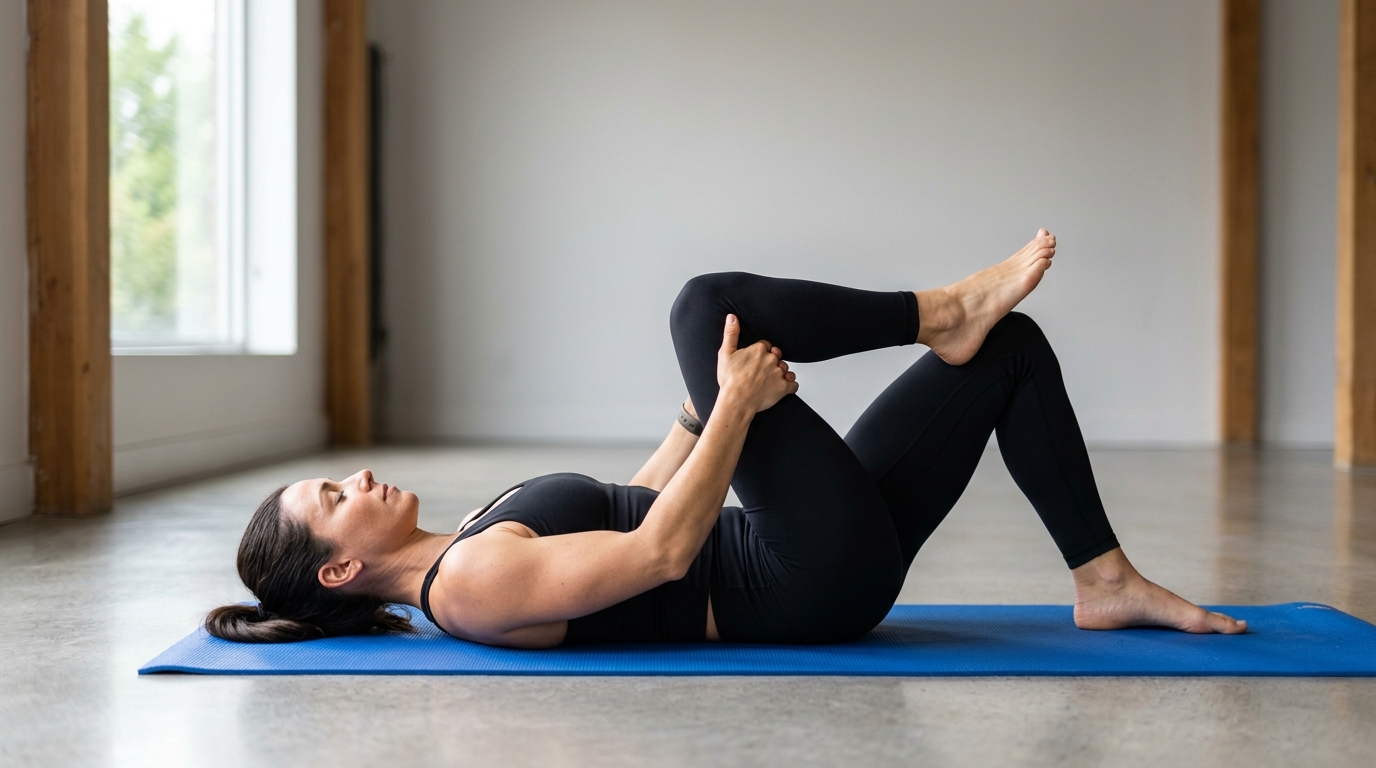
Clinical back pain images demonstration - PIRIFORMIS / SCIATIC RELEASE
PIRIFORMIS / SCIATIC RELEASE
🎯 Deep Gluteal Tension
Nerve Glide 3 mins • 30s

Vierer-Dehnung für Piriformis & Ischias

Releases the deep piriformis muscle to relieve sciatic nerve impingement and glute ache.
L4-L5 L5-S1 Piriformis Gluteus Medius +1
Guide
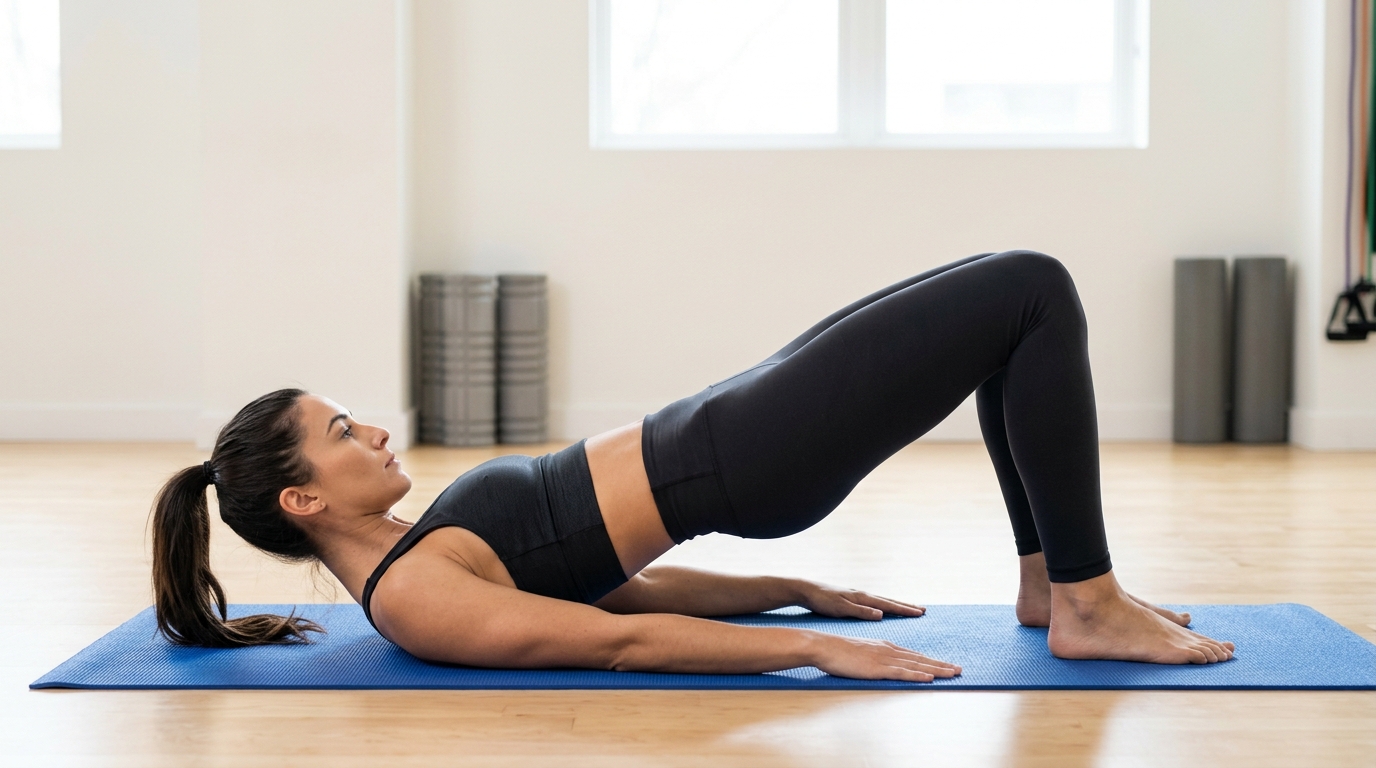
Clinical back pain images demonstration - GLUTE & PELVIC STABILITY
GLUTE & PELVIC STABILITY
🎯 Posterior Chain
Kräftigung 3 mins • 3s

Glute Bridge zur LWS- & Beckenstabilisierung

Activates inhibited gluteals and posterior chain to remove excessive load from lumbar extensors.
L3-L4 L4-L5 Gluteus Maximus Hamstrings
Guide
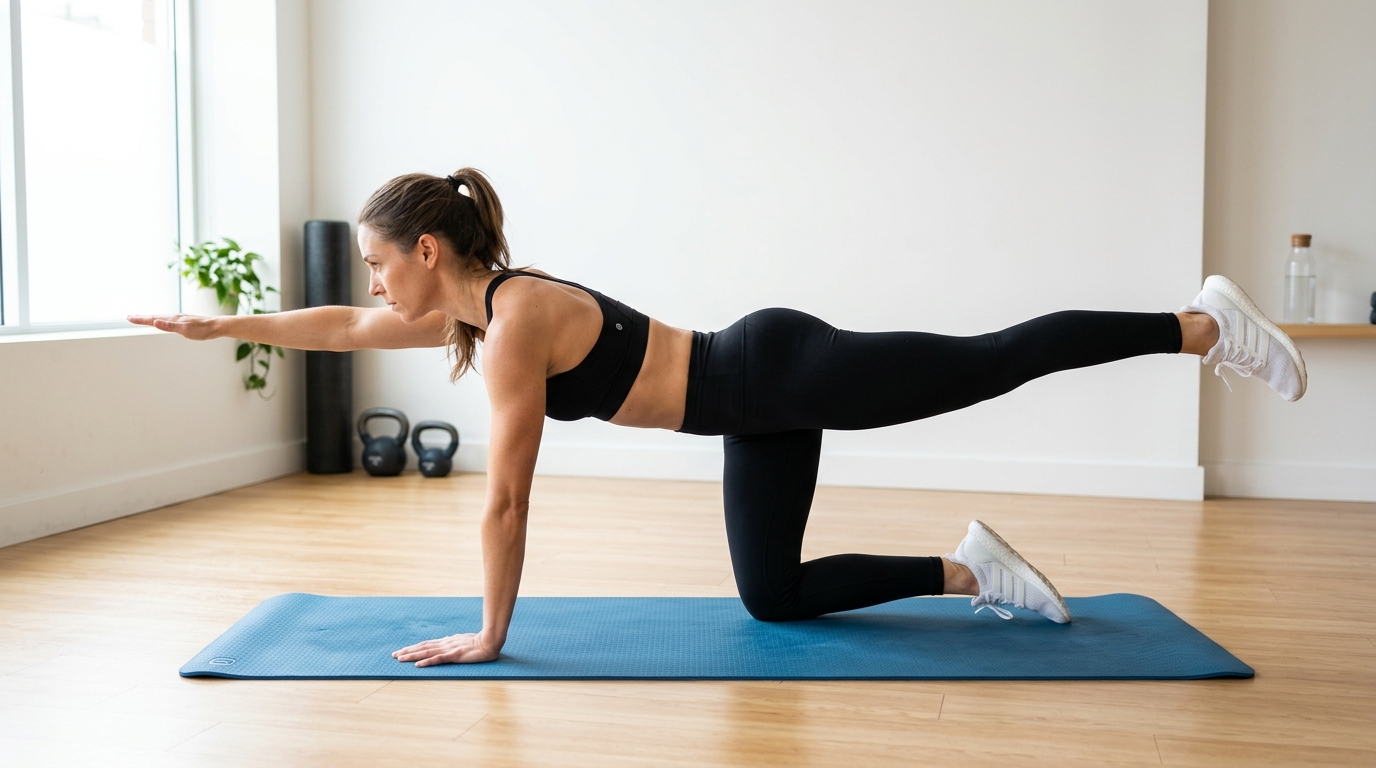
Clinical back pain images demonstration - MCGILL CORE STABILIZER
MCGILL CORE STABILIZER
🎯 Rotational Control
Kräftigung 3 mins • 5s

Bird Dog (McGill-Rumpfstabilisation)

One of the "McGill Big 3" exercises that strengthens the lumbar stabilizers with minimal spinal load.
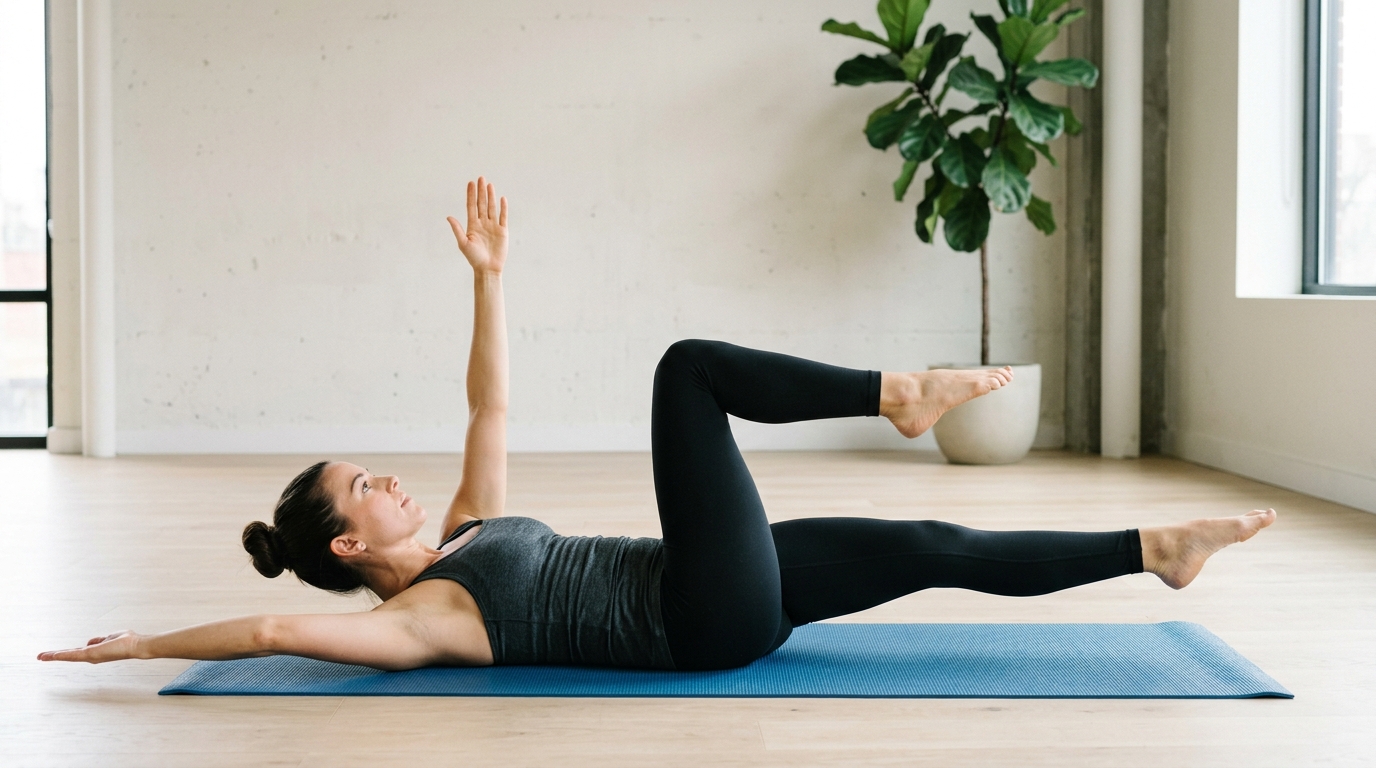
T6-T7 T7-T8 Multifidus Erector Spinae +2
Guide
Clinical back pain images demonstration - ANTI-EXTENSION CORE
ANTI-EXTENSION CORE
🎯 Deep Transverse Core
Kräftigung 3 mins • 3s

Deadbug (Anti-Extensions-Coretraining)

Re-trains the deep transverse abdominis to protect the lumbar spine during extremity movement.
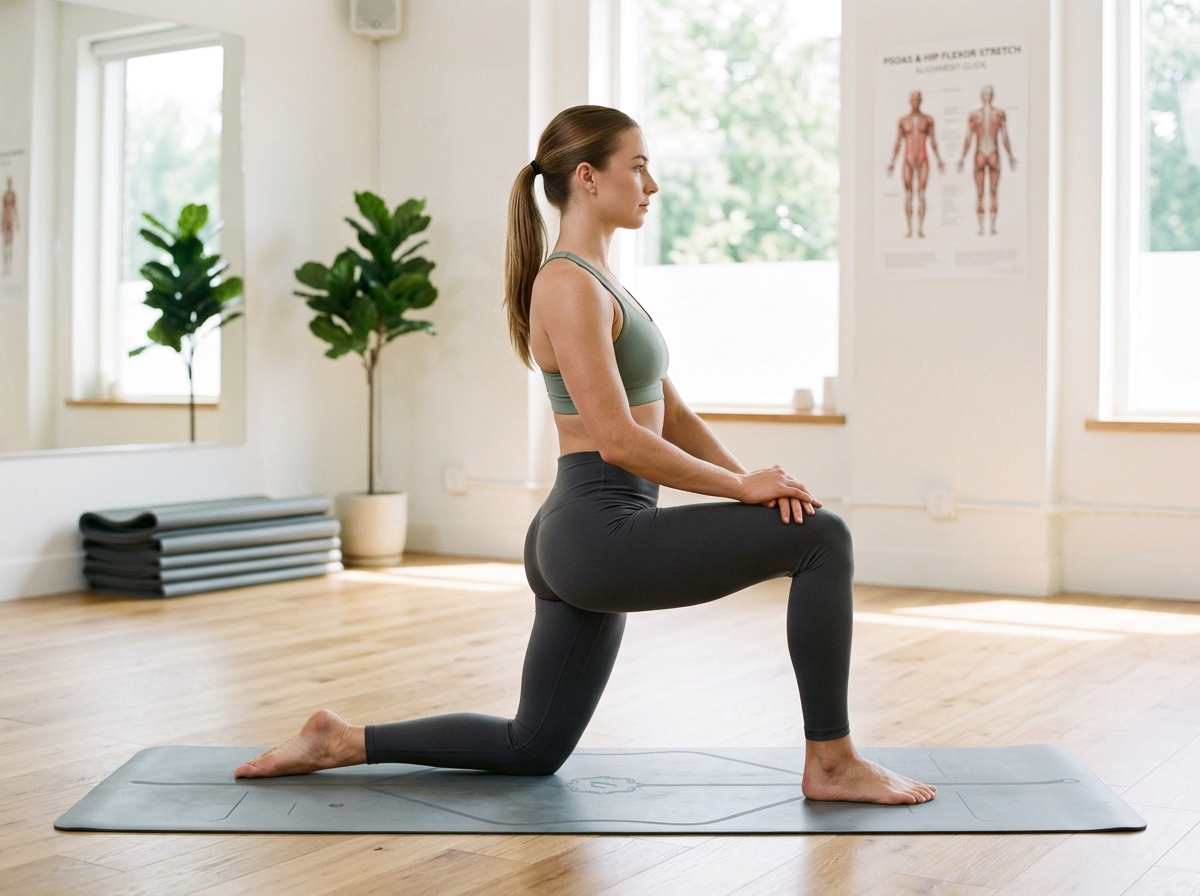
L1-L2 L2-L3 Transverse Abdominis Internal Obliques +1
Guide
Clinical back pain images demonstration - PSOAS & HIP DECOMPRESSION
PSOAS & HIP DECOMPRESSION
🎯 Anterior Hip Flexors
Desk Relief 3 mins • 30s

Kniende Hüftbeuger-Dehnung (Psoas)

Decompresses the lumbar spine by releasing chronically shortened iliopsoas muscles caused by prolonged sitting.
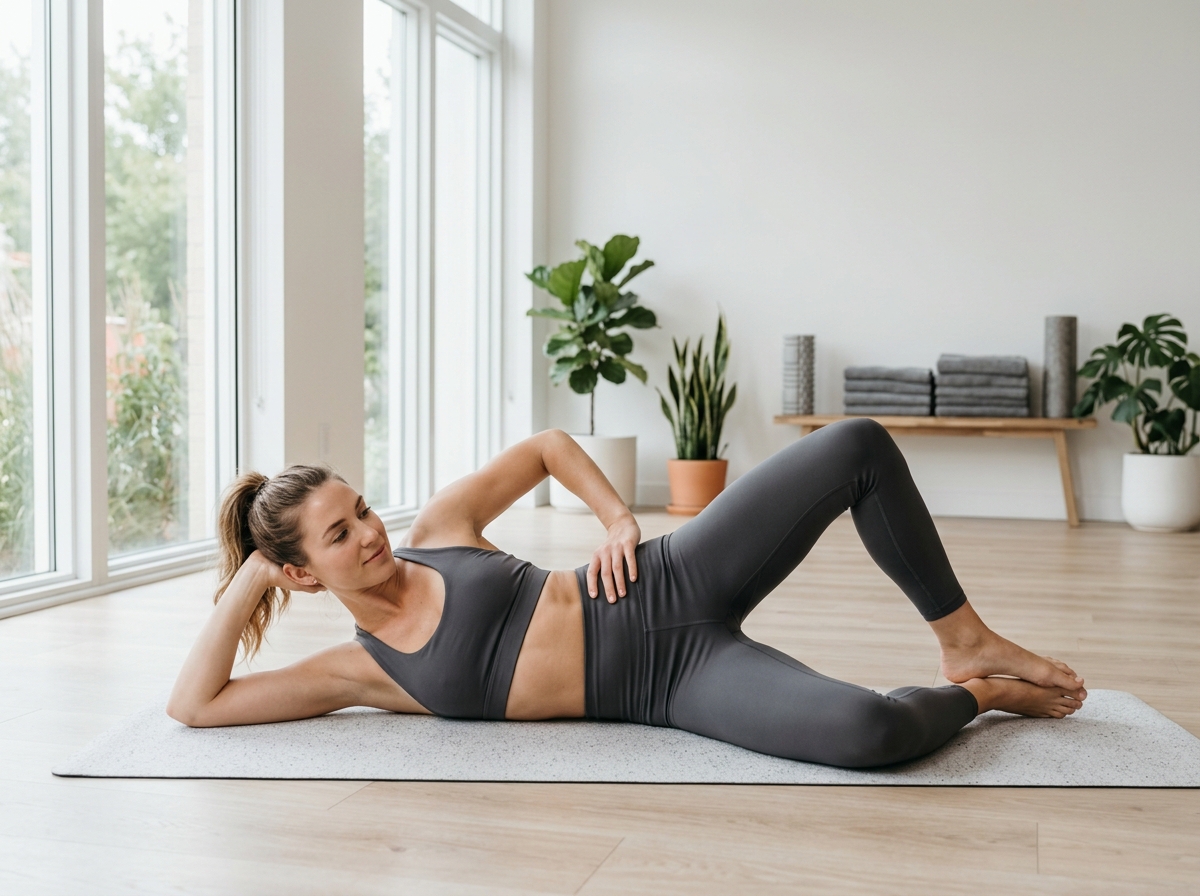
L1-L2 L2-L3 Iliopsoas Rectus Femoris +1
Guide
Clinical back pain images demonstration - GLUTEUS MEDIUS STABILITY
GLUTEUS MEDIUS STABILITY
🎯 Pelvic Symmetry
Kräftigung 3 mins • 2s

Clamshell (Musculus gluteus medius Aktivierung)

Isolates the gluteus medius to stabilize the sacroiliac joint and prevent pelvic drop during walking.
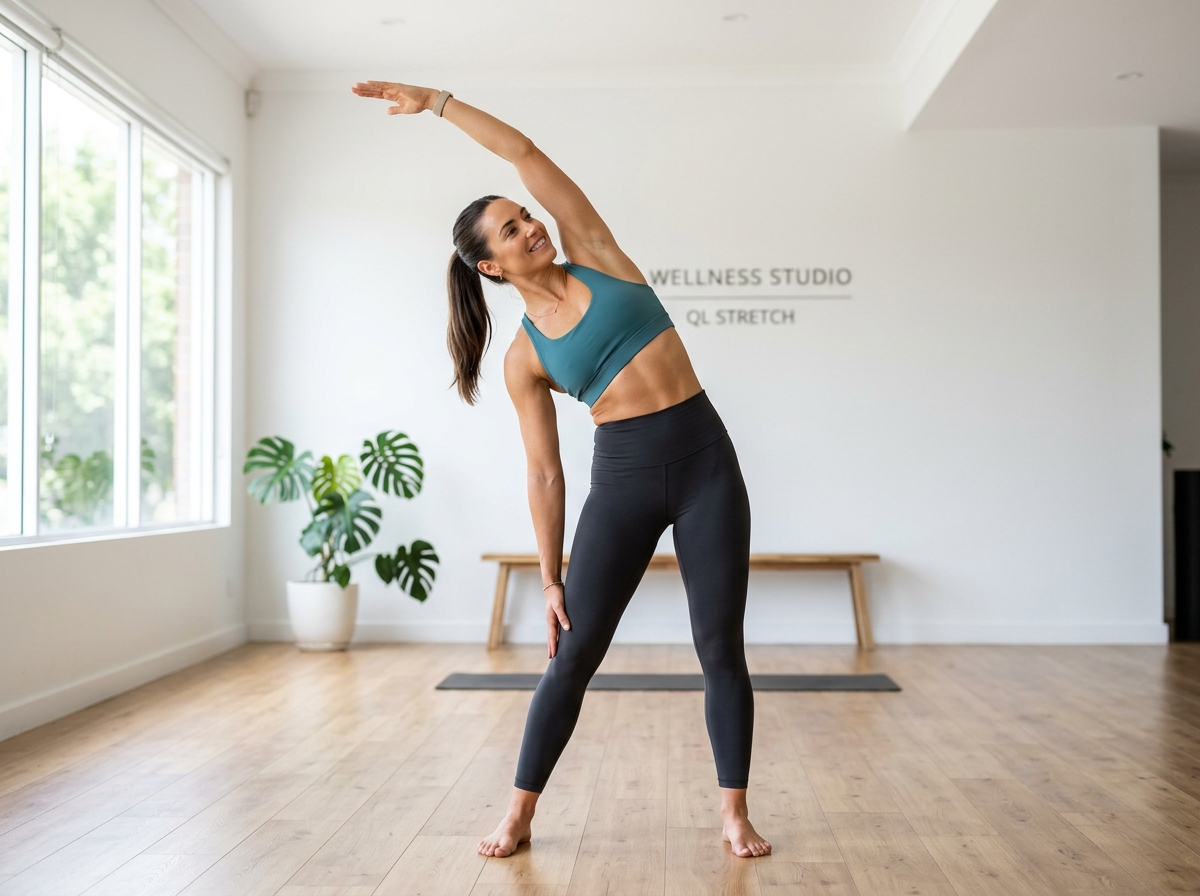
L4-L5 L5-S1 Gluteus Medius Gluteus Minimus +1
Guide
Clinical back pain images demonstration - LATERAL QL STRETCH
LATERAL QL STRETCH
🎯 Quadratus Lumborum
Desk Relief 2 mins • 25s

Seitneigung im Stehen (Quadratus lumborum Dehnung)

Decompresses the Quadratus Lumborum and side waist to relieve asymmetrical pelvic and lower back tightness.

T11-T12 T12-L1 Quadratus Lumborum Latissimus Dorsi +1
Guide
CLINICAL QUESTIONS & ANSWERS

Häufig gestellte Fragen: ISG-Blockade

Q How do I know if my pain is SI joint or lumbar spine?
SI joint pain typically concentrates right over the posterior superior iliac spine (the dimple on one side of your lower back) and does not usually radiate below the knee, unlike classic lumbar sciatica.
Q Can glute bridges fix SI joint instability?
Yes. Bilateral symmetrical glute bridges engage both gluteus maximus heads and create pelvic force-closure across the sacrum without putting asymmetrical rotational torque on the pelvis.
WISSENSCHAFTLICHE LITERATUR

Peer-Review Evidenz & Leitlinien

  • •
    "Force-Closure and Pelvic Stability in Sacroiliac Joint Rehabilitation" — Manual Therapy & Postural Rehabilitation (2023).